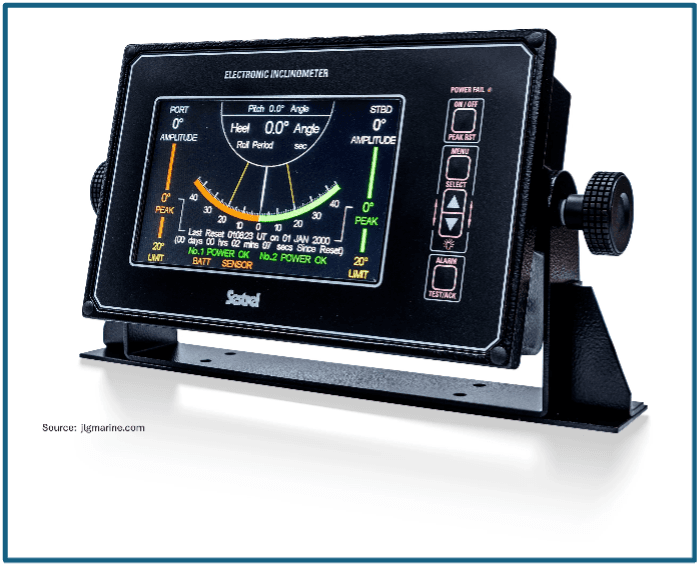
Electronic Inclinometers Required from 2026: What Maritime Professionals Should Prepare
Maritime safety is taking another step forward. As of January 1, 2026, the IMO (International Maritime Organization) is making the installation of electronic inclinometers mandatory on certain new ships.
This concrete measure was adopted through the SOLAS Convention to better prevent accidents related to roll and loss of stability.
Who is affected?
Two types of ships built after January 1, 2026 are covered:
Container ships of 3,000 GT or more
Bulk carriers of 3,000 GT or more
➡️ If you already operate existing vessels, don’t panic: the rule is not retroactive. But be aware that some countries could tighten their own regulations.
An electronic... inclinometer?
It’s a device that measures the ship’s roll (side-to-side motions). But electronic models go further:
- They record the ship’s motions in real time
- They alert the crew when thresholds are critical
- They automatically send the data to the VDR (the ship’s black box)
In short, a tool that is as preventive as it is reactive.
What SOLAS actually requires
The inclinometer must:
- Be fixed and integrated into the ship
- Send its data to the VDR or an equivalent system
- Be visible from the bridge
The goal? To help the crew maintain control, even in rough seas.
And for shipyards and designers?
The time to act is now. From the design stage:
Plan for the space, power supply, and interconnection of the device
Ensure compliance with IMO standards
Integrate the device into the ship’s overall architecture
And what about shipowners?
If you’re awaiting delivery of a ship after 2026, make sure that:
The inclinometer is properly planned and installed
Your crews are trained to use it
It’s included in your maintenance procedures and ISM audits
Canada Focus 🇨🇦
Transport Canada has not yet transposed this rule into its regulations; therefore, it will apply de facto to all SOLAS ships built after January 1, 2026.
Related Articles
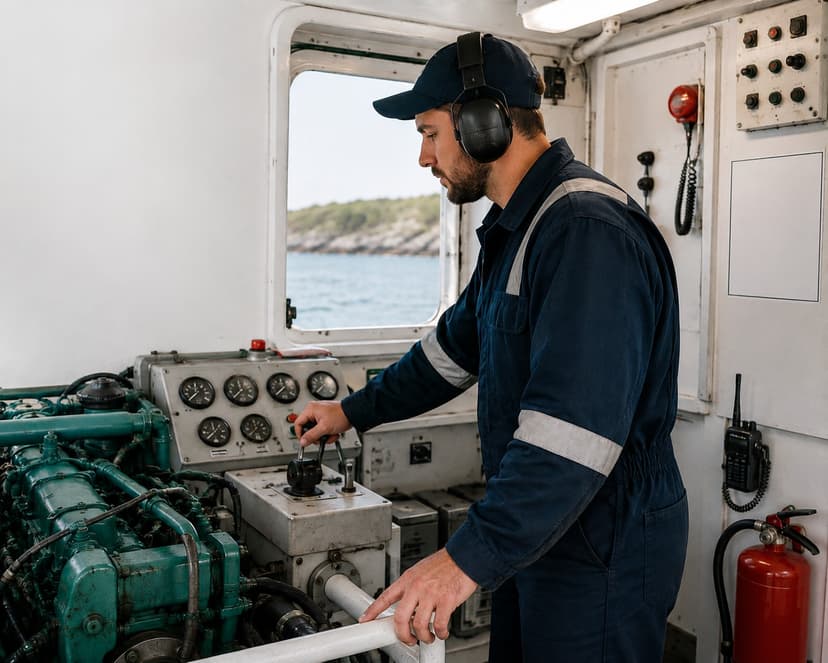
Title: SVMO: Transport Canada clarifies the conditions for recognition of sea service
Transport Canada has updated the clarifications applicable to the Small Vessel Machinery Operator (SVMO) certificate and the Small Vessel Machinery Operator certificate with restrictions (SVMO-R). Beyond a simple summary of eligibility requirements, this guidance raises a concrete operational issue: how sea service is recognized and how operators should document it going forward. This article is intended for commercial vessel owners, Authorized Representatives, masters, and crewing managers who want to structure their employees’ certification pathway.

Fuel Sampling on Board: What SSB 12/2026 Means for Canadian Vessels
Transport Canada published Ship Safety Bulletin (SSB) No. 12/2026 on 10 August 2026. The bulletin sets out Transport Canada’s policy regarding the installation or designation of fuel sampling points on board Canadian ships, in direct relation to the sulphur content requirements of MARPOL Annex VI. It is particularly relevant to shipowners, operators, technical managers and maritime surveyors responsible for compliance with the rules on fuel sulphur content.
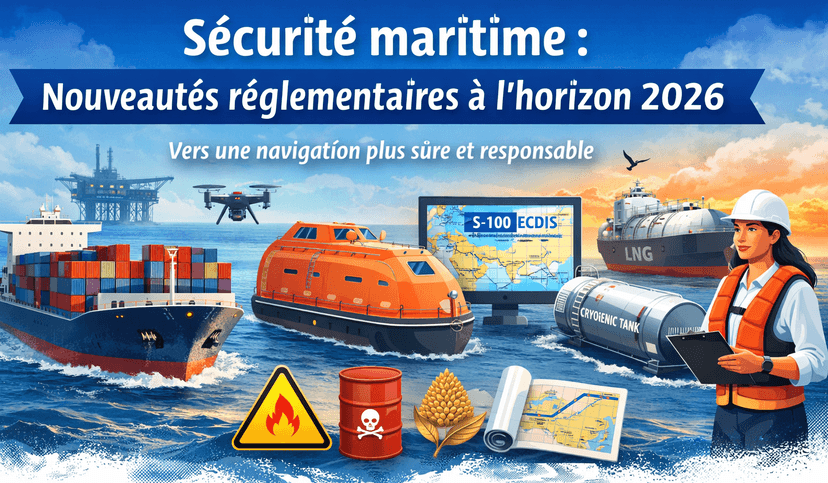
IMO Rules that Entered into Force on 1 January 2026
As of 1 January 2026, new IMO rules have come into force, transforming several aspects of maritime operations. They strengthen environmental protection, improve crew training and welfare, and tighten technical requirements for ship safety. Updates to the IMDG and IGF Codes confirm the importance of this regulatory development for the entire maritime sector. Summary: Effective 1 January 2026, the IMO has introduced reforms that raise environmental standards, enhance crew competency and welfare, and tighten ship safety requirements. Revisions to the IMDG and IGF Codes signal a sector-wide regulatory step-change.