
Fuel Sampling on Board: What SSB 12/2026 Means for Canadian Vessels
What is changing?
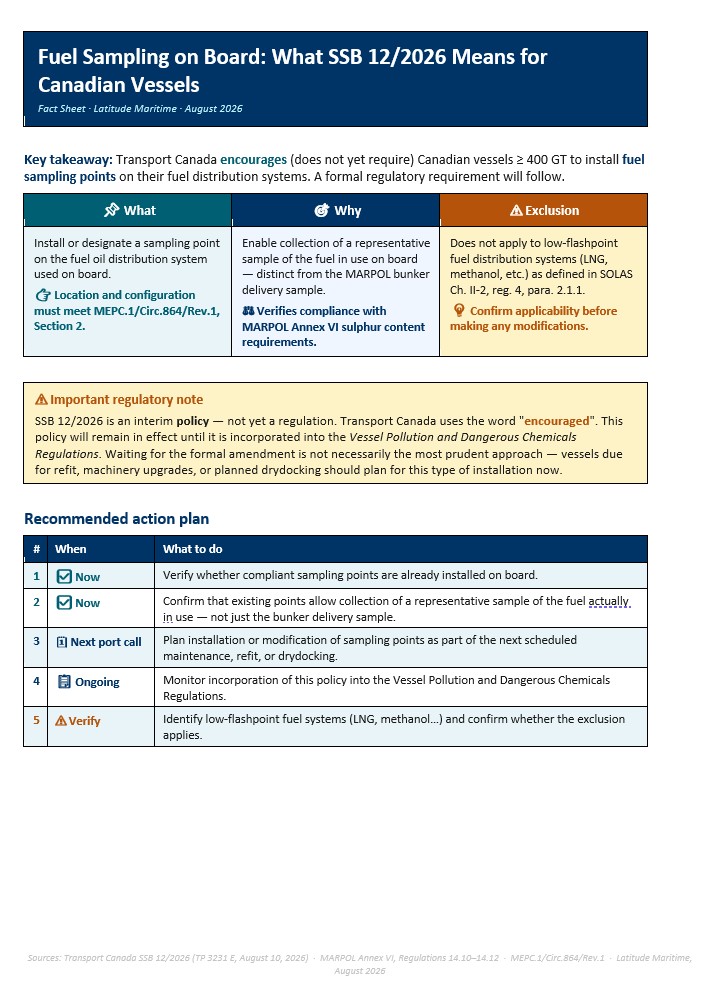
Transport Canada encourages affected Canadian ships to install or designate sampling points on their fuel distribution system. The aim is clear: to enable the collection of a representative sample of the fuel actually used on board to ensure compliance with the sulphur content requirements of MARPOL Annex VI.
Designated sampling points must comply with the location and configuration criteria set out in section 2 of Circular MEPC.1/Circ.864/Rev.1, the 2019 IMO Guidelines on On-Board Sampling for the Verification of Sulphur Content in Fuel Oils.
SSB 12/2026: https://tc.canada.ca/sites/default/files/2026-08/SSB-12-2026E.pdf
Related Articles
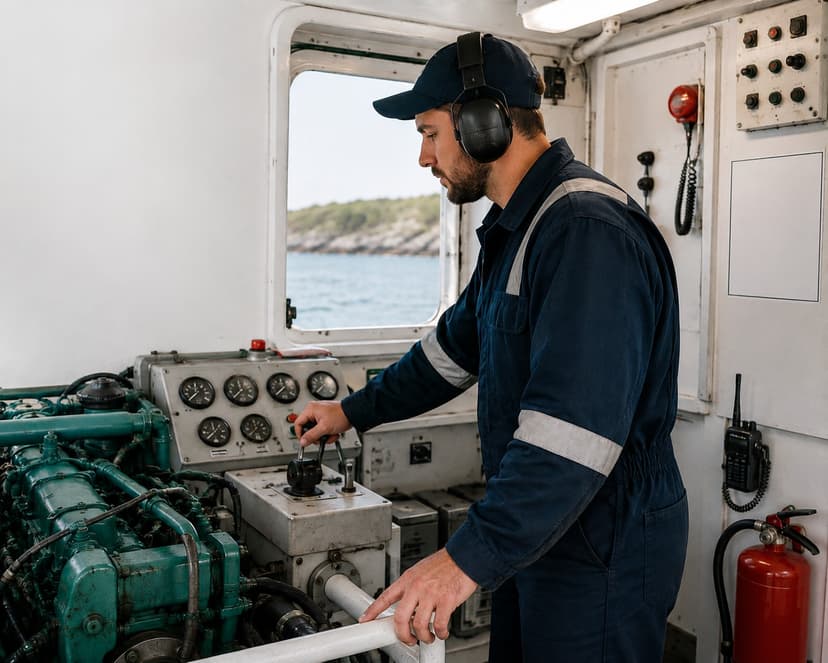
Title: SVMO: Transport Canada clarifies the conditions for recognition of sea service
Transport Canada has updated the clarifications applicable to the Small Vessel Machinery Operator (SVMO) certificate and the Small Vessel Machinery Operator certificate with restrictions (SVMO-R). Beyond a simple summary of eligibility requirements, this guidance raises a concrete operational issue: how sea service is recognized and how operators should document it going forward. This article is intended for commercial vessel owners, Authorized Representatives, masters, and crewing managers who want to structure their employees’ certification pathway.
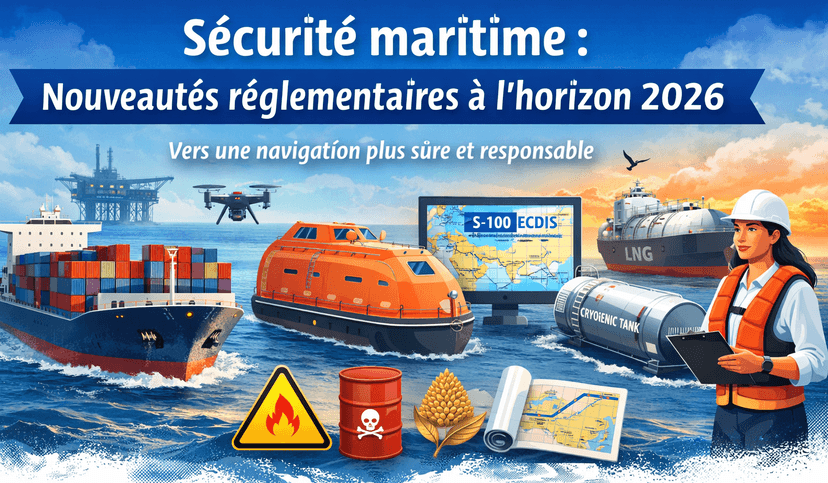
IMO Rules that Entered into Force on 1 January 2026
As of 1 January 2026, new IMO rules have come into force, transforming several aspects of maritime operations. They strengthen environmental protection, improve crew training and welfare, and tighten technical requirements for ship safety. Updates to the IMDG and IGF Codes confirm the importance of this regulatory development for the entire maritime sector. Summary: Effective 1 January 2026, the IMO has introduced reforms that raise environmental standards, enhance crew competency and welfare, and tighten ship safety requirements. Revisions to the IMDG and IGF Codes signal a sector-wide regulatory step-change.