Our Training Programs
Comprehensive maritime training programs

ECDIS & Electronic Navigation
The ECDIS & Electronic Navigation Refresher is a self-paced course for deck officers. It reinforces STCW A-II/1, SOLAS V/19, and IMO Model Course 1.27 standards, focusing on ENC updates, safety settings, voyage planning, error management, and audit readiness. Designed for certified mariners, it sharpens navigation skills, strengthens ISM compliance, and ensures officers remain PSC-ready for safe and efficient bridge operations. Duration: 60 Minutes

Heavy Weather Seamanship & Watchkeeping
Ideal for deck officers and watchkeepers, this course builds essential and advanced competence in heavy weather seamanship, vessel preparation, and regional environmental compliance in the St. Lawrence, Great Lakes, and Canadian Arctic. Through scenario-based learning, practical checklists, and regulatory guidance, participants strengthen watchkeeping, prepare vessels for adverse conditions, and meet environmental and reporting obligations. Topics include ballast and stability management, weather routing, securing for sea, and compliance with the Polar Code and Canadian regulations—supporting safe operations, sound decision-making, and readiness in demanding environments. Estimated Duration: 60 minutes (self-paced)Course Fee: $___ CAD per participant

Safety Equipment and Protective Practices
You will enhance your understanding of critical safety measures in IGF operations. You will be able to identify the purpose and function of personal protective equipment (PPE), interpret Safety Data Sheets (SDS) and gas-monitoring readings, and demonstrate safe entry into confined spaces. You will also apply correct procedures for donning, doffing, inspecting, and maintaining protective gear, and recognize essential emergency first-aid actions. Duration: 60 Minutes Available Soon Cost: 0.00

Maritime Food Safety Fundamentals: Safe Food, Safe Crew
Gain essential food safety skills to protect both crew and passengers at sea. In this practical, self-paced course, you’ll master the fundamentals of safe food handling, personal hygiene, cross-contamination prevention, and time/temperature control of Time/Temperature Control for Safety (TCS) foods. Aligned with Hazard Analysis and Critical Control Point (HACCP,) Vessel Sanitation Program (VSP,) and international maritime standards, this training equips you to identify foodborne risks, manage allergens, and follow proper cleaning, storage, and sanitation protocols. Whether you're new to shipboard food service or reinforcing best practices, this course ensures you're prepared to maintain high safety standards where it matters most—onboard. Safe food means a safe crew. Estimated Duration: 60 minutes (self-paced)

Corrosion Control and Cathodic Protection for Mariners
The Corrosion Control and Cathodic Protection for Mariners course equips seafarers with practical skills to detect, prevent, and manage corrosion onboard. Covering rust removal, protective coatings, and cathodic protection systems, it aligns with SOLAS, ISM, and IACS standards. Learners will gain the knowledge to extend vessel lifespan, reduce costly repairs, and safeguard structural integrity. By mastering corrosion awareness, crews enhance safety, compliance, and long-term ship performance at sea. Duration: 60 Minutes

Maritime Hand and Power Tool Safety Training
The Maritime Hand and Power Tool Safety Training refresher equips seafarers with practical skills to safely use and supervise hand, portable, and power tools. Covering hazard recognition, inspections, safe handling, PPE, and incident response, it reinforces ISM, STCW, MOSH, and CCOHS compliance—strengthening safety culture, preventing accidents, and ensuring audit readiness. Duration: 45 minutes Available Soon

GMDSS Radio Operator (STCW IV/2)
The GMDSS Radio Operator Refresher is a self-paced course for certified mariners. It reinforces SOLAS IV and STCW IV/2 requirements, covering distress, urgency, and safety communications, MSI, DSC, EPIRBs, and logbook practices. Using scenarios and quizzes, it sharpens operator discipline, strengthens ISM recordkeeping, and ensures audit readiness for safe, compliant shipboard communications. Duration: 45 Minutes

Life-Saving Appliances (LSA) & Firefighting Equipment Maintenance
This course equips mariners to inspect, maintain, and document lifeboats, davits, extinguishers, SCBA, fire systems, and emergency devices. Aligned with SOLAS and ISM Code, it builds confidence, compliance, and readiness, ensuring life-saving and firefighting gear works when it’s needed most—during drills, audits, and real emergencies. Duration: 60 minutes Available Soon

Fatigue Risk Management for Maritime Leaders
Boost compliance, crew safety, and audit readiness with this focused fatigue risk management course. Aligned with STCW, MLC, ISM, and Transport Canada SMS guidance, it equips mariners to identify fatigue risks, maintain rest-hour compliance, and support safer watchkeeping practices. Designed for onboarding or refresher use, this self-paced 60-minute program transforms regulatory requirements into practical, day-to-day actions—reinforcing a safety-first culture and ensuring vessels are prepared for PSC inspections and internal audits. Estimated Duration: 45-60 minutes (self-paced)Course Fee: $ 35 CAD per participant Available Soon

Shipboard Safety Net Installation, Rigging & Inspection
Designed for deck crews, officers, supervisors, and safety personnel, this self-paced course equips mariners with the skills required to correctly install, rig, tension, inspect, and maintain maritime safety nets in accordance with Canadian and international requirements. Through step-by-step guidance, learners select appropriate equipment, apply correct rigging and tensioning methods, and identify defects that compromise safety. The training reduces fall hazards, supports safe boarding and work-at-height activities, reinforces SMS compliance, and promotes a proactive onboard safety culture. Estimated Duration: 60 minutes (self-paced) Available Soon

New SOLAS Requirements for Lifting Appliances (2026)
Gain a clear, practical understanding of the new SOLAS II-1/3-13 requirements for lifting appliances, effective January 1, 2026. Designed for shipowners, operators, officers, and crew, this training explains how the changes affect inspection, maintenance, and safe use of lifting equipment—helping you stay compliant, improve safety, and ensure audit readiness. Duration 60 minutes

Designated Security Duties Awareness
Ideal candidates include Masters, deck and engineering officers, electro-technical officers, ratings assigned security tasks, safety officers, and emergency response team members requiring refresher training to maintain inspection readiness and shipboard security competence. Strengthen your understanding of designated security duties under STCW Convention Regulation VI/6 and the ISPS Code with this self-paced refresher. Learners review current and emerging threats—including piracy, smuggling, stowaways, and cyber risks—while practicing restricted-area monitoring and effective gangway control. Scenario-based exercises reinforce vigilance, support compliance with Canadian MOSH requirements and Canadian Centre for Occupational Health and Safety guidance, and prepare crews for incident response and audits. Estimated Duration: 60 minutes (self-paced) Course Fee: $ TBD CAD per participant

Quick GPS Skills Tune-Up for Bridge Watchkeepers
Sharpen your GPS navigation skills in “GPS – Quick GPS Skills Tune-Up for Bridge Watchkeepers.” This self-paced course helps officers and watchkeepers manage GPS errors, such as multipath and satellite geometry, and apply DGPS for enhanced accuracy. Ideal for those revalidating certificates, returning to service, or maintaining STCW A-I/11 competence. Fast, focused, and built for today’s bridge teams. Duration 2.0 Hours

Battery & Electrical Equipment Maintenance
This course deepens your understanding of DC systems and battery chemistries, including flooded lead-acid, VRLA/AGM/Gel, and Li-ion. You’ll learn to identify hazards, conduct safe inspections and tests, and apply corrosion control practices. Training emphasizes the maintenance of emergency lighting and DC backup systems in line with regulatory standards. By course end, you’ll confidently perform safe replacement and commissioning, while documenting work and managing waste responsibly—enhancing both technical proficiency and safety awareness at sea. Duration: 60 Minutes

Welding and Cutting Safety for Mariners
The Welding and Cutting Safety for Mariners course equips seafarers with essential knowledge to perform hot work safely. Covering SOLAS II-2 fire safety rules, IMO hot work guidelines, and MOSH/CCOHS standards, it trains crew to manage hazards, use PPE, and follow permit-to-work systems. By reinforcing fire watch duties, atmosphere testing, and emergency preparedness, this refresher ensures welding and cutting tasks are conducted safely, compliantly, and audit-ready at sea. Duration: 60 minutes Available soon

Hydraulic and Pneumatic Systems Maintenance Awareness
This course builds awareness of hydraulic and pneumatic systems, teaching mariners to identify hazards, conduct preventive checks, and recognize early failure signs. With a focus on safe practices like lockout/tagout and depressurization, it strengthens confidence and safety in maintaining high-pressure shipboard machinery. Duration 60 minutes Available Soon
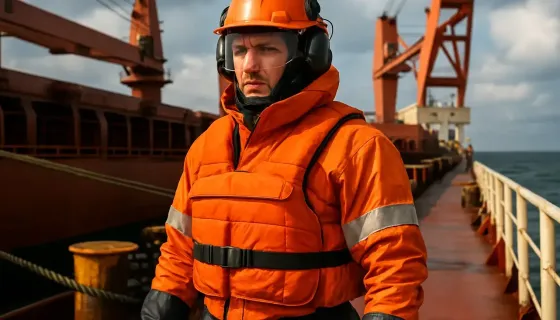
Safety Equipment & Protective Practices for Hazardous Maritime Operations
This self-paced course equips mariners with the knowledge and skills needed to safely operate essential safety equipment and apply protective practices during high-risk and hazardous shipboard operations. Learners gain practical guidance on the correct use of PPE, life-saving appliances, atmospheric and gas monitoring tools, and cryogenic protection systems. The course strengthens hazard awareness, reinforces safe work procedures, and prepares crew to respond effectively to emergencies involving fuels, confined spaces, and toxic environments. Fully aligned with international and Canadian regulations, it supports SMS compliance, audit readiness, and a proactive safety culture across all vessel operations. Estimated Duration: 60 minutes (self-paced)Course Fee: $ Free

Advanced LNG Operations: Risk, Innovation & Awareness
In this course, you will deepen your understanding of LNG operations by diagnosing root causes of failures through real case studies and explaining cutting-edge innovations in LNG bunkering. You'll compare LNG with emerging alternative fuels like methanol and ammonia, focusing on operational safety, and identify ways to mitigate cognitive biases that affect safety. Duration 90 Minutes Available soon

Data Management and Governance Foundations
This course equips maritime personnel to manage operational, environmental, and regulatory data in line with IMO, Transport Canada, and ESG requirements. Participants will strengthen audit readiness, apply FAIR principles, respect Indigenous data sovereignty, and safeguard crew and voyage data under PIPEDA. Through real-world examples, learners will build confidence in secure, lawful data handling. Designed for onboard and shore-based teams, this self-paced training supports compliance, accountability, and safe digital operations across the maritime sector. Estimated Duration: 60 minutes (self-paced)Course Fee: Available Soon

Regional Environmental Regulations & Port State/Flag State Compliance
Stay compliant, efficient, and audit-ready with this focused course on regional and international environmental regulations. Designed for officers and compliance personnel, the training covers key frameworks including EU MRV/ETS, FuelEU Maritime, the North American Emission Control Area (ECA), and Arctic-specific requirements under the Polar Code. Learners gain practical skills to manage environmental reporting, documentation, and shipboard procedures that support smooth port calls, successful Port State Control (PSC) inspections, and strong environmental performance. With an emphasis on risk reduction and alignment with evolving climate regulations, this course is essential for vessels operating in Europe, North America, and the Canadian Arctic. Estimated Duration: 60 minutes (self-paced) Course Fee: $ 45 CAD per participant

Marine Surface Preparation & Protective Coatings
The refresher equips mariners with the skills to safely prepare steel surfaces, apply protective coatings, and recognize defects. Covering manual prep, blasting, coating types, and ISO/SSPC inspection standards, it aligns with ISM, SOLAS, MOSH, and CCOHS. Learners strengthen hazard awareness, reinforce safe practices, and ensure audit-ready compliance while reducing costs from premature coating failures. Duration: 60 minutes Available soon

Cybersecurity Awareness for Seafarers
Cybersecurity Awareness for Seafarers is one of today’s most in-demand maritime training topics, driven by escalating global cyber threats and stricter regulatory expectations. This self-paced refresher is built for bridge officers, engineers, ETOs, and ship managers, and equips maritime professionals to prevent, detect, and respond effectively to onboard cyber risks. Aligned with IMO Resolution MSC.428(98) and Transport Canada TP 15273, the course addresses phishing, malware, GPS spoofing, and network breaches using practical case studies, response checklists, and audit-ready tools. Cybersecurity is now a core safety function—stay compliant, cyber aware, and operational. Estimated Duration: 60 minutes (self-paced) Course Fee: $ 35 CAD per participant

Deck Machinery Operation & Maintenance for Mariners
The Deck Machinery Operation & Maintenance for Mariners course builds practical skills to handle winches, windlasses, and cranes safely. Learners will develop awareness of hazards, apply correct lubrication and inspection practices, and ensure compliance with lifting gear regulations. By mastering defect identification and integrating checks into PMS/SMS, mariners enhance both safety and equipment reliability. This refresher course enhances operational confidence, prepares crews for audits, and promotes safer mooring, anchoring, and cargo handling practices. Duration: 60 Minutes