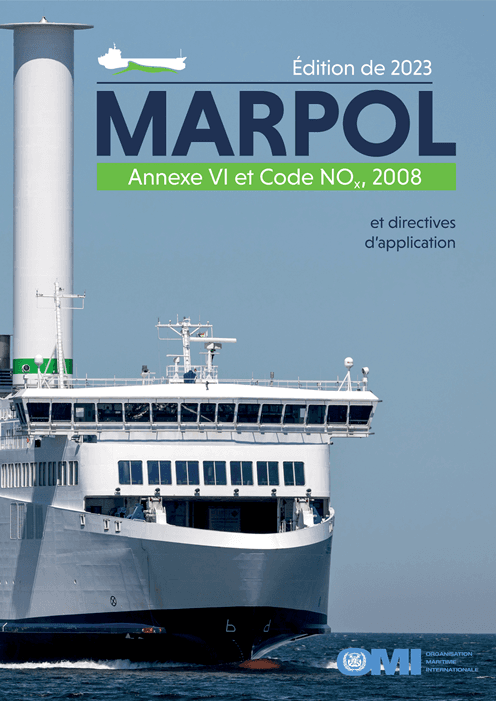
MARPOL Convention: Amendments to Annex VI — 24 October 2025
General context
The International Maritime Organization (IMO) is strengthening its strategy to reduce greenhouse gas (GHG) emissions from shipping. In this context, it is proposing amendments to MARPOL Annex VI on the prevention of air pollution from ships. These proposals, presented in Circular Letter No. 5085 of 24 October 2025, aim to introduce new environmental requirements, notably regarding emissions and ships’ carbon performance.
Main proposed changes
1. Creation of a new ECA (North-East Atlantic): Proposal to establish an Emission Control Area (ECA) covering the EEZs and territorial waters of Greenland, Iceland, the Faroe Islands, Ireland, the United Kingdom, France, Spain, and Portugal;
2. Application of the NOx Tier III standard: Requirement for new ships operating in this ECA to comply with the Tier III nitrogen oxides standard;
3. Stricter limits for sulphur (SOx) and particulate matter (PM): Implementation or tightening of sulphur content and particulate matter caps for ships sailing in the new ECA;
4. Strengthening carbon performance (CII) requirements and data transparency: Extension of obligations related to the Carbon Intensity Indicator (CII) and the IMO DCS fuel oil consumption data collection system; and
5. Implementation timeline: Adoption is planned in 2026 with entry into force in 2027, in accordance with the Convention’s procedures.
Key takeaways
Canada actively supports these amendments.
Canadian ships, or those operating in the North Atlantic ECA, will have to comply with the new NOx, SOx, and carbon performance obligations.
Technical, regulatory, and documentary preparation is required immediately.
Strategic recommendations
- Adapt propulsion and emission control systems.
- Plan for compliant fuel supply.
- Ensure documentary and operational compliance.
- Maintain active monitoring of MEPC and IMO developments and Transport Canada requirements
Conclusion
These amendments mark a regulatory turning point for the decarbonization of shipping. Canadian stakeholders must act without delay to ensure compliance with the future North Atlantic ECA. See the circular letter
Related Articles
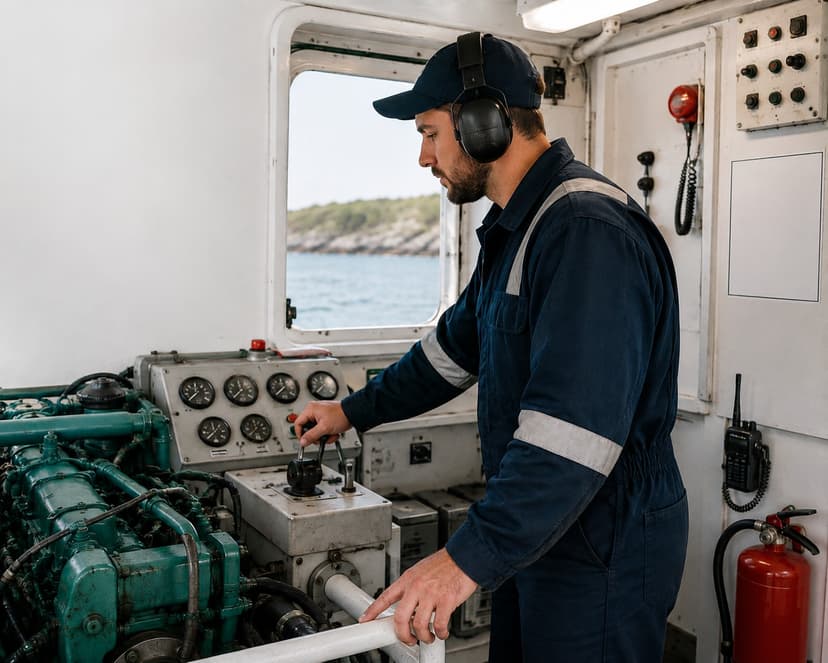
Title: SVMO: Transport Canada clarifies the conditions for recognition of sea service
Transport Canada has updated the clarifications applicable to the Small Vessel Machinery Operator (SVMO) certificate and the Small Vessel Machinery Operator certificate with restrictions (SVMO-R). Beyond a simple summary of eligibility requirements, this guidance raises a concrete operational issue: how sea service is recognized and how operators should document it going forward. This article is intended for commercial vessel owners, Authorized Representatives, masters, and crewing managers who want to structure their employees’ certification pathway.

Fuel Sampling on Board: What SSB 12/2026 Means for Canadian Vessels
Transport Canada published Ship Safety Bulletin (SSB) No. 12/2026 on 10 August 2026. The bulletin sets out Transport Canada’s policy regarding the installation or designation of fuel sampling points on board Canadian ships, in direct relation to the sulphur content requirements of MARPOL Annex VI. It is particularly relevant to shipowners, operators, technical managers and maritime surveyors responsible for compliance with the rules on fuel sulphur content.
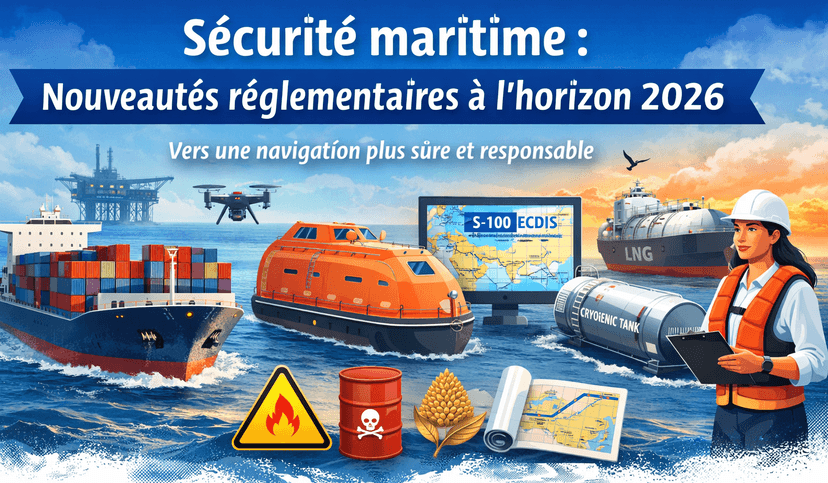
IMO Rules that Entered into Force on 1 January 2026
As of 1 January 2026, new IMO rules have come into force, transforming several aspects of maritime operations. They strengthen environmental protection, improve crew training and welfare, and tighten technical requirements for ship safety. Updates to the IMDG and IGF Codes confirm the importance of this regulatory development for the entire maritime sector. Summary: Effective 1 January 2026, the IMO has introduced reforms that raise environmental standards, enhance crew competency and welfare, and tighten ship safety requirements. Revisions to the IMDG and IGF Codes signal a sector-wide regulatory step-change.