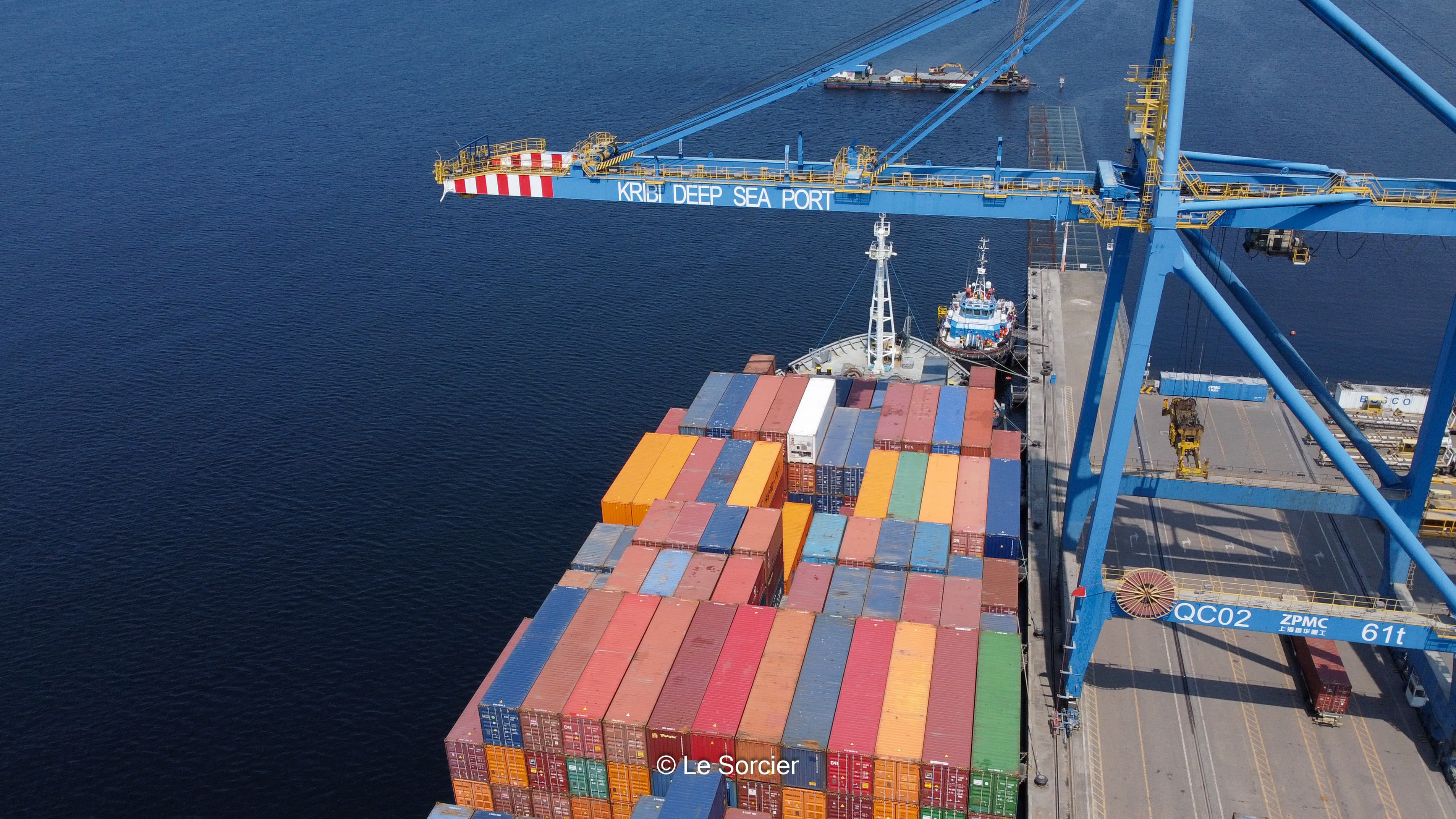
Latitude Maritime Delivers Four Training Courses to Strengthen Maritime Skills in Cameroon
Latitude Maritime Inc. is developing four training courses for Cameroon, aligned with IMO international standards: survival at sea, firefighting, personal safety, and security awareness. This accessible solution strengthens the skills of maritime professionals and builds local academic autonomy. Summary: Latitude Maritime Inc. has developed and supplied four IMO-standard courses in Cameroon—survival at sea, firefighting, personal safety, and security awareness—to upskill maritime professionals and foster local academic self-reliance.
November 4, 2026 — Canadian expertise serving training, safety, and academic autonomy in Africa.
Training seafarers means giving them the tools to protect lives, prevent incidents, and support reliable maritime transport. It also enables countries to develop their own training capacities, drawing on international references and tools tailored to their needs.
Latitude Maritime announces the delivery, on November 4, 2026, of training packages for three STCW Basic Training courses—Parts 1, 2, and 3—as well as the Security Awareness course for seafarers. Developed since July 2026 for Solution ISPS INC SARL (Douala and Kribi) International, these courses are designed in accordance with the relevant requirements of the STCW Code and the International Maritime Organization (IMO) Model Courses.
The training will be delivered in Cameroon with the authorization of the Ministry of Transport of Cameroon, in compliance with the conditions established by the competent authority.
Four courses to build essential competencies
Part 1 — Personal survival techniques
When a ship must be abandoned, every action counts. This course prepares participants to use personal lifesaving appliances, enter the water safely, board a liferaft, and apply survival principles while awaiting rescue. Supervised practical exercises turn knowledge into well-mastered actions.
Reference: Table A-VI/1-1 of the STCW Code and IMO Model Course 1.19.
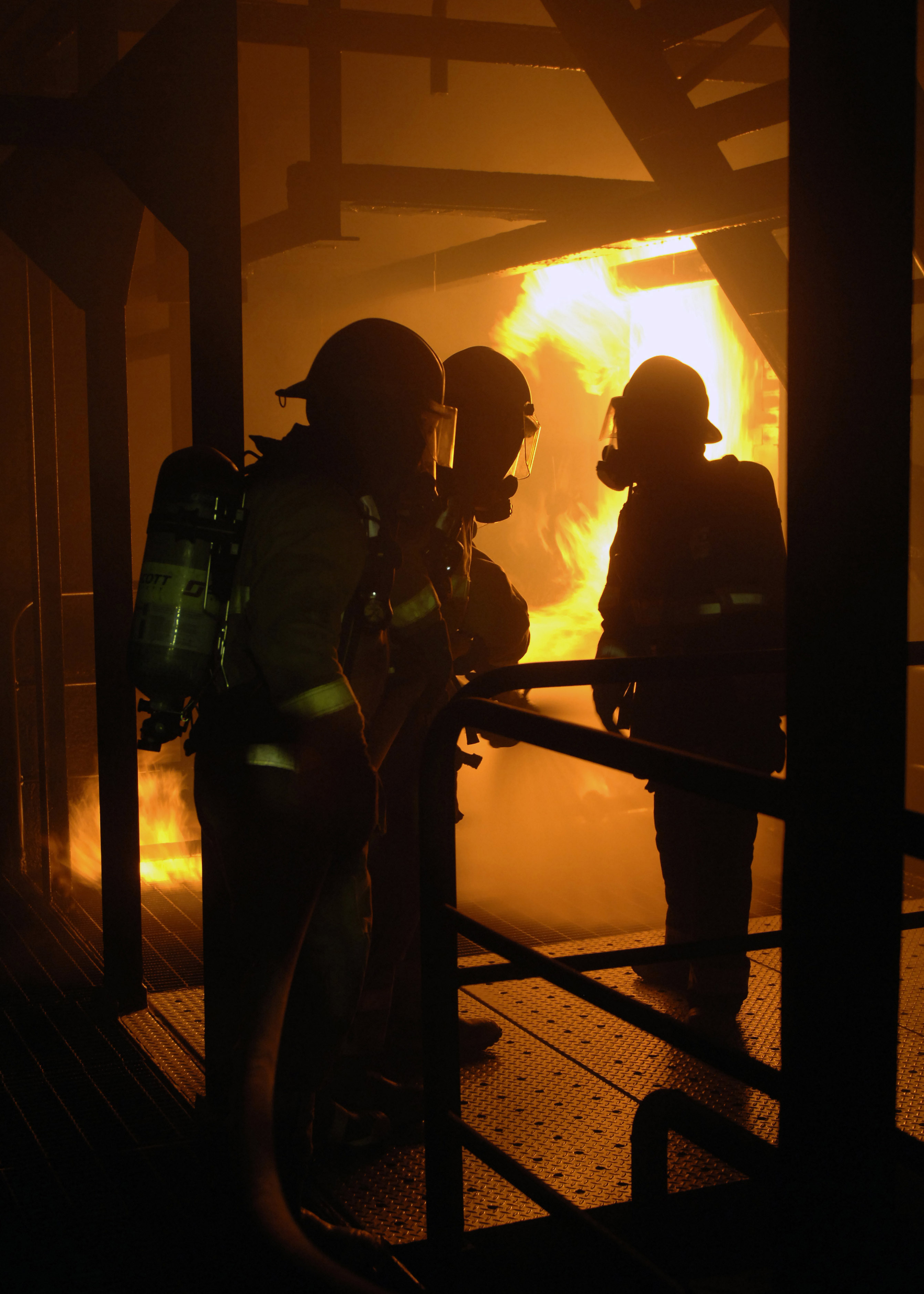
Part 2 — Fire prevention and firefighting
Identifying risks, raising the alarm, and responding in a coordinated manner are fundamental onboard competencies. This training covers prevention, the spread of fire and smoke, selecting extinguishing agents, and using protective equipment and self-contained breathing apparatus. It combines theoretical knowledge with practical firefighting exercises.
Reference: Table A-VI/1-2 of the STCW Code and IMO Model Course 1.20.
Part 3 — Personal safety and social responsibilities
Maritime safety also depends on day-to-day behaviours and the quality of teamwork. This course develops knowledge of emergency procedures, safe working practices, pollution prevention, communication, and fatigue management. It also includes the prevention of violence and harassment, as well as appropriate reporting and support mechanisms.
Reference: Table A-VI/1-4 of the STCW Code and IMO Model Course 1.21.
Security awareness for seafarers
Recognizing a suspicious situation, protecting sensitive information, and promptly submitting a factual report contribute to the security of the ship and its interface with the port. This course presents threats, security levels, principles of access control, and the expected conduct of persons on board without specific security duties.
Reference: Table A-VI/6-1 of the STCW Code and IMO Model Course 3.27, in connection with the ISPS Code.
Tools to teach, assess, and progress
Latitude Maritime’s approach goes beyond preparing presentations. The training packages bring together training plans, learner manuals, instructor guides, visual aids, and assessment tools.
Development work also focused on alignment between targeted competencies, the subjects taught, and the assessments. Practical instructions, success criteria, and retake procedures provide teaching teams with a structured foundation to support learners and document their progress.
This coherence supports a key objective: enabling local institutions to take ownership of their teaching and develop sustainable academic autonomy, within the framework of the applicable national authorizations.
An investment in Cameroon’s maritime future
For Cameroon, better seafarer training strengthens emergency preparedness, protects the marine environment, and improves operational quality. Competent crews communicate more effectively, identify risks more readily, and contribute to a culture of prevention.
Local training capacity can also improve access to training, reduce travel abroad, and support seafarers' professional development. It helps prepare the next generation of the international merchant fleet while reinforcing safe practices in local maritime activities, in line with the applicable regulatory framework.
The benefits extend to the ship–port interface: a better understanding of responsibilities and procedures facilitates cooperation among crews, operators, and port facilities.
An accessible alternative for African countries
Latitude Maritime puts its expertise at the service of training institutions, ports, maritime companies, and government authorities in Africa.
Our approach prioritizes solutions that are affordable, structured, and adapted to the national context. The goal is to help partners build pedagogical capabilities, support their instructors, and evolve their programs while maintaining demanding international standards.
For ports and their employees, pathways tailored to the functions performed can complement seafarer training. Each project is built around the partner’s real needs, resources, and the expectations of its competent authority.
Do you want to develop or modernize your maritime and port training offering? Let’s discuss a solution tailored to your country, your teams, and your budget.
Latitude Maritime — Training today for the maritime competencies of tomorrow.